
Colquitt Municipal Court
City Hall, 154 West Street, Colquitt, GA 39837
Clerk: 229-758-1006
Start with Colquitt Municipal Court if the matter began with a city citation, a Municipal Court date, or Colquitt Police. That clerk answers whether an active warrant exists in the city's file and what step comes next. Colquitt warrant records sit with the office that issued the paper. The city publishes no public search form. Miller County criminal cases travel a separate route through county courts and the sheriff, so match the paperwork to the office. Paying a citation helps only when the court allows it, and payment alone is not warrant confirmation. Confirm every status with the responsible office, and plan carefully before any visit in person.
Sponsored Results
Let the paperwork point the way. A citation naming Colquitt Municipal Court belongs with that clerk, and a police records question belongs with Colquitt Police. Neither city page offers a public warrant lookup, so a Miller County resident calls the office that fits the question.
An empty web search proves nothing. Colquitt, Miller County's only city, posts no public warrant form, and the payment page answers a different question entirely.
Colquitt is the county's only incorporated city. The Census place file reports its population. That status leaves Miller County with a single municipal layer. Colquitt Municipal Court is it. Other communities named in county history material have no municipal courts or police departments to call. For a resident, the contact list stays short. The caution is that "local" can still mean different record holders, and a city citation, a city police record, and a Miller County criminal warrant remain separate files even when all three involve Colquitt.
City Hall, 154 West Street, Colquitt, GA 39837
Clerk: 229-758-1006
154 West Street, Colquitt, GA 39837
City main: 229-758-1000
Police contact: 229-758-1106
The court is the city channel for case status and the next step. Police enforce city, state, and county law. Its page lists no public warrant database. Ask each Miller County office a question within its role rather than treating either desk as a universal warrant search.
Quick answer: The Colquitt court and police pages post no public warrant-search form or active-warrant list.
With no city portal, direct contact is the main route, not a backup plan. Call the clerk. Ask what identifying details the court accepts by phone and whether warrant status can be discussed remotely. The city pages promise no telephone confirmation, so the office's current procedure controls. A name-listing private site is not official. Use the official city directory to verify Colquitt contacts and keep personal details away from unverified services anywhere in Miller County.
The city site lists no catalog of Colquitt warrant types. A table of routes can separate the paths without promising that each process exists in every Miller County case.
| Warrant Type | How It Arises | Who Issues It |
|---|---|---|
| Municipal bench process | A court response may follow a missed required city appearance; confirm the exact action | Colquitt Municipal Court |
| City ordinance matter | An unresolved code or ordinance citation requiring Municipal Court action | Colquitt Municipal Court |
| Traffic-related process | A city citation or missed date; the court determines status and next step | Colquitt Municipal Court |
| Criminal arrest warrant | A probable-cause application connected to a law-enforcement investigation | An authorized judicial officer, commonly Magistrate Court at county level |
The title on the paper beats the category. Read the citation or case identifier to the Colquitt clerk, and ask which judicial order actually exists before assuming anything about a Miller County warrant.
Miss a required Municipal Court date? Call 229-758-1006 first. Reach the court before paying online or walking into City Hall. Ask whether the case was reset, whether an appearance is still required, and whether any failure-to-appear or warrant action has issued. Ask about payment eligibility too. The Colquitt code-enforcement page adds one firm rule for city ordinance citations: a Municipal Court appearance is required, with an in-person route at City Hall during published weekday hours. That settles the ordinance scenario. It does not govern a Miller County felony warrant. Nor does it promise that every traffic matter or Miller County warrant question ends at the same counter.
Colquitt shows no public results screen. Exact field labels, any warrant-number pattern, and displayed bond fields come from the court, which releases what it maintains. A city court record may connect the elements below.
| Citation or case number | The identifier printed on the citation or assigned by Municipal Court. |
|---|---|
| Name and matching details | Information needed to distinguish records; ask the clerk what may be supplied. |
| Underlying allegation | The traffic, ordinance, or other municipal matter recorded in the case. |
| Issuing court | Colquitt Municipal Court when the case is city-originated. |
| Appearance history | Scheduled dates, a missed setting, or a later event where public. |
| Status or order | The current court entry; no public local label such as ACTIVE was verified. |
The city's online-payment page asks for a citation number or driver's-license number. It takes Visa, MasterCard, Discover, and American Express. A Government Window service fee applies. The Colquitt page does not state the fee amount.
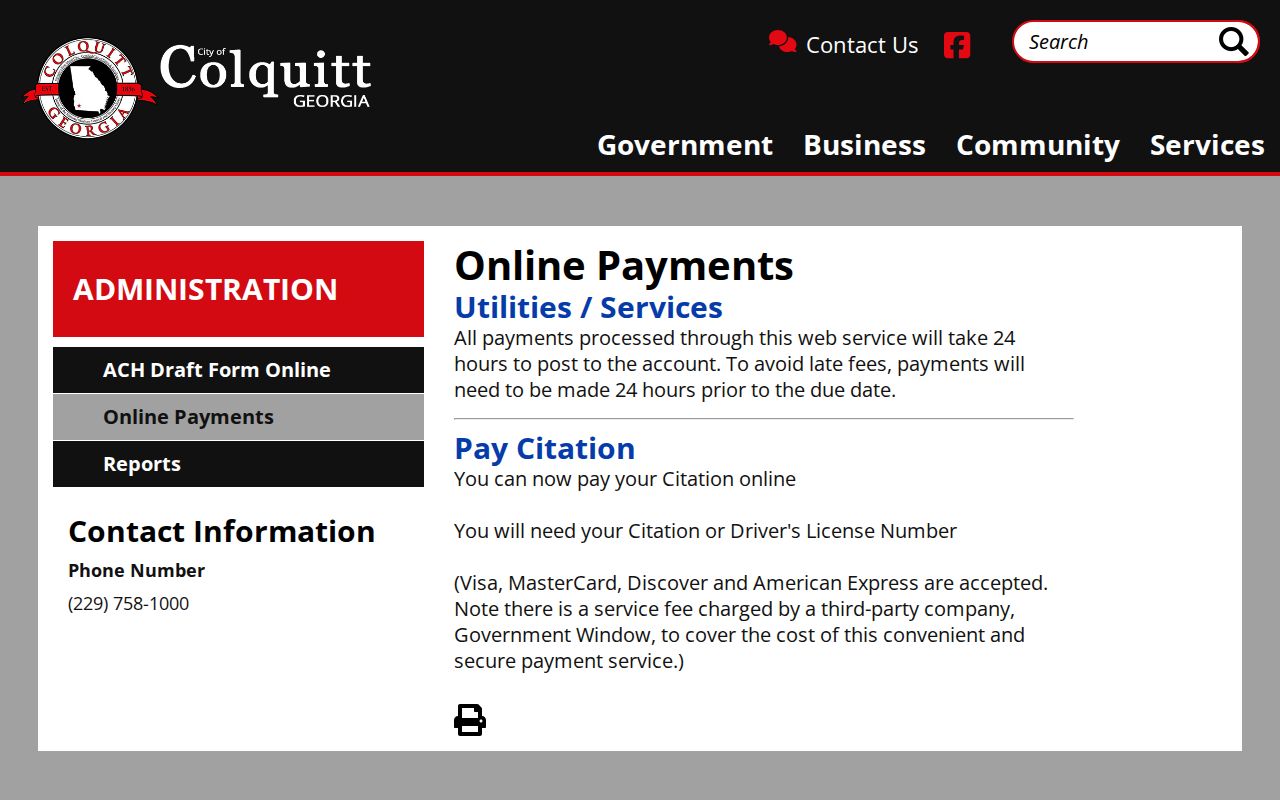
After a missed appearance, ask the clerk first. Payment may or may not be allowed. Keep the receipt. Then confirm separately that every required appearance and judicial step in the Colquitt or Miller County case has been addressed.
Myth: If the vendor accepts payment, every Colquitt warrant or court requirement disappears. Fact: The official page does not make that promise.
Payment eligibility and warrant status are different data points. A vendor can take the money. It cannot display the full court file or confirm a judge's later order. The Colquitt source also stays silent on receipt policy, on any reset-after-failure-to-appear process, and on any warrant-status field. So work with two confirmations. Get authorization before you pay; get status confirmation after. If the clerk requires an appearance, a reset, or another judicial step in Miller County court, payment alone leaves the job unfinished, and that matters most after a missed setting.
City matters start with Colquitt Municipal Court or Colquitt Police. A Miller County warrant starts with the Sheriff's Office or the court named in the paperwork. Superior Court holds criminal cases and criminal warrants. Magistrate Court takes arrest-warrant applications plus first-appearance and bond functions, and Georgia runs no centralized public warrant search to replace any of these offices.
Warrant flow: Colquitt Municipal Court / Police › responsible Miller County court or Sheriff › restricted Georgia criminal-information systems
Colquitt sits inside Miller County, so a warrant question can belong to either the city or the county. The city clerk handles Colquitt's municipal docket, not Miller County warrants. For the county side, turn to Miller County warrant records. The sheriff's page does not claim to track Colquitt's municipal cases either.
Colquitt is the Miller County seat, and its official city home page links to every City Hall department a warrant question might need.
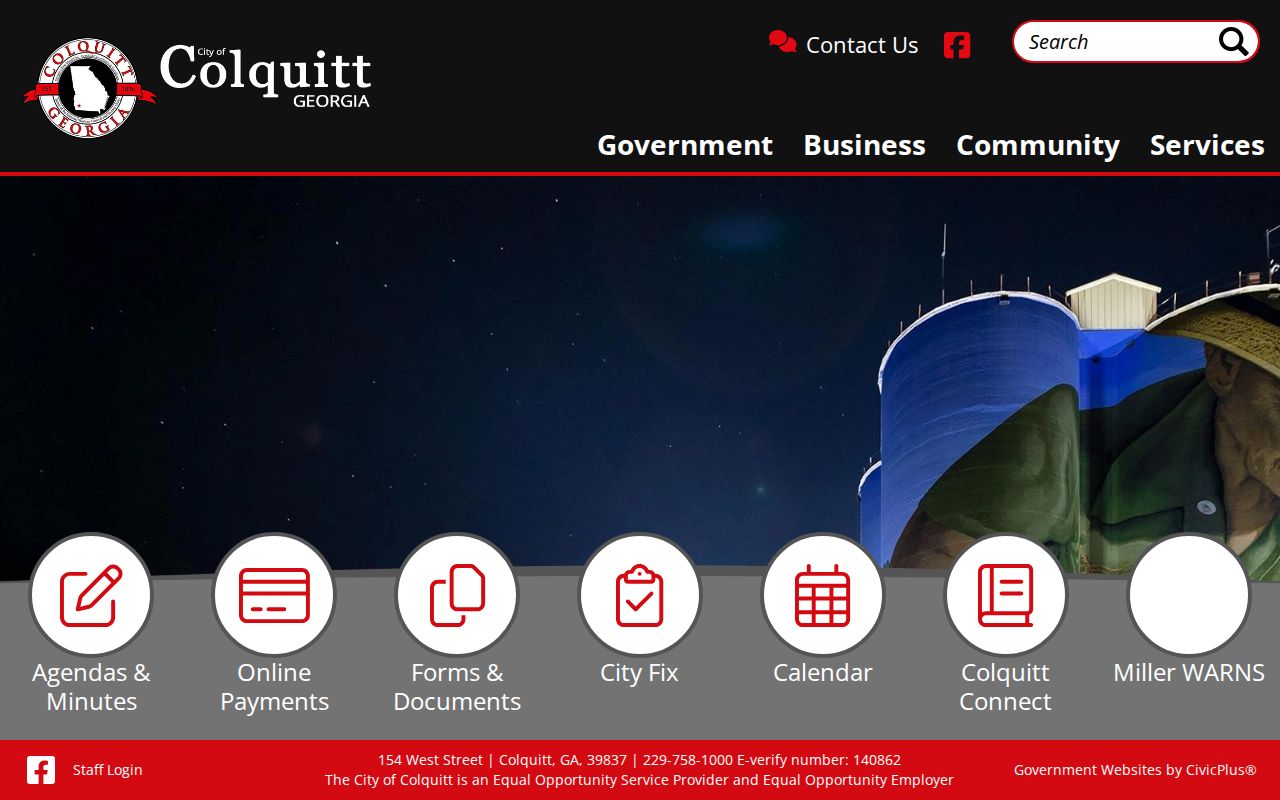
Treat the page as a directory, not proof of jurisdiction. The court named on your citation decides the question. Colquitt publishes no walk-in or surrender procedure, so call the Miller County offices or the city first.
Georgia's Open Records Act, O.C.G.A. §§ 50-18-70 through 50-18-72, opens most existing agency records to the public, with exemptions and redactions allowed. Court files can also follow separate judicial access rules. A good request names Colquitt Municipal Court or Police, the specific record, a known identifier, and a tight date range. Miller County agencies follow the same statute.
Key Rules:
Georgia Open Records Act guidance explains how to send a request and the agency response framework.
Georgia Open Government FAQ explains that exemptions, fees, and agency duties affect production.
Sealed, juvenile, confidential, or investigative material may be withheld or redacted. An office need not create a new warrant list it does not maintain.
Need your own status today? A records request may be slower than simply asking the court in Colquitt or Miller County. For a copy or an older file, it is the right channel. Frame the request as identifying an existing record, not as asking staff to do legal research or produce a certification the city has never offered.
A brief, specific call works best. Say the matter concerns your own record or a family member you are helping, and name the issuing agency on the document. Ask which office in Colquitt or Miller County controls the file. If staff can discuss status by phone, ask which identifiers they need to match it. If they cannot, ask the correct written or in-person route instead.
Never ask E911 to run a records search. Dispatch is not the municipal clerk and holds no warrant records in Colquitt or Miller County. If you are unsure how to handle an active warrant safely, talk to an attorney before going in person.
Start with the paper itself. A city ordinance or municipal citation should name Colquitt Municipal Court and carry a number the clerk can use. A police incident document points to a records question for Colquitt Police. A county notice may name Magistrate, Probate, or Superior Court in Miller County. Keep the document and quote its exact heading rather than forcing every label into "city warrant." No paper at all? Tell the city clerk roughly when and where the event happened and which agency made contact. The official pages do not say which identifiers staff accept over the telephone, so ask before sharing anything sensitive. If the clerk cannot locate or discuss the matter, ask for the next official office rather than turning to a commercial database. This document-first habit pays off after resolution too. Match a payment receipt, reset notice, court disposition, or attorney letter to the same citation or case number. Then ask Municipal Court whether the city file reflects the completed step. A receipt proves only the transaction printed on it. Court confirmation tells you whether the legal obligation and any warrant-related action have actually changed.
Sponsored Results